Türkiye is home to 18 UNESCO World Heritage Sites — from the world's oldest temple at Göbeklitepe to the legendary walls of Troy and the white travertines of Pamukkale.
Few countries on Earth can match Türkiye's density of world-class heritage. Sitting at the crossroads of Europe and Asia, Anatolia has hosted the Hittites, Greeks, Romans, Byzantines, Seljuks and Ottomans — and UNESCO has recognised 18 extraordinary sites across the country. Whether you are a history lover, a photographer or a curious traveller, these sites belong on your itinerary.
Göbeklitepe (2018) — The World's Most Significant Archaeological Discovery
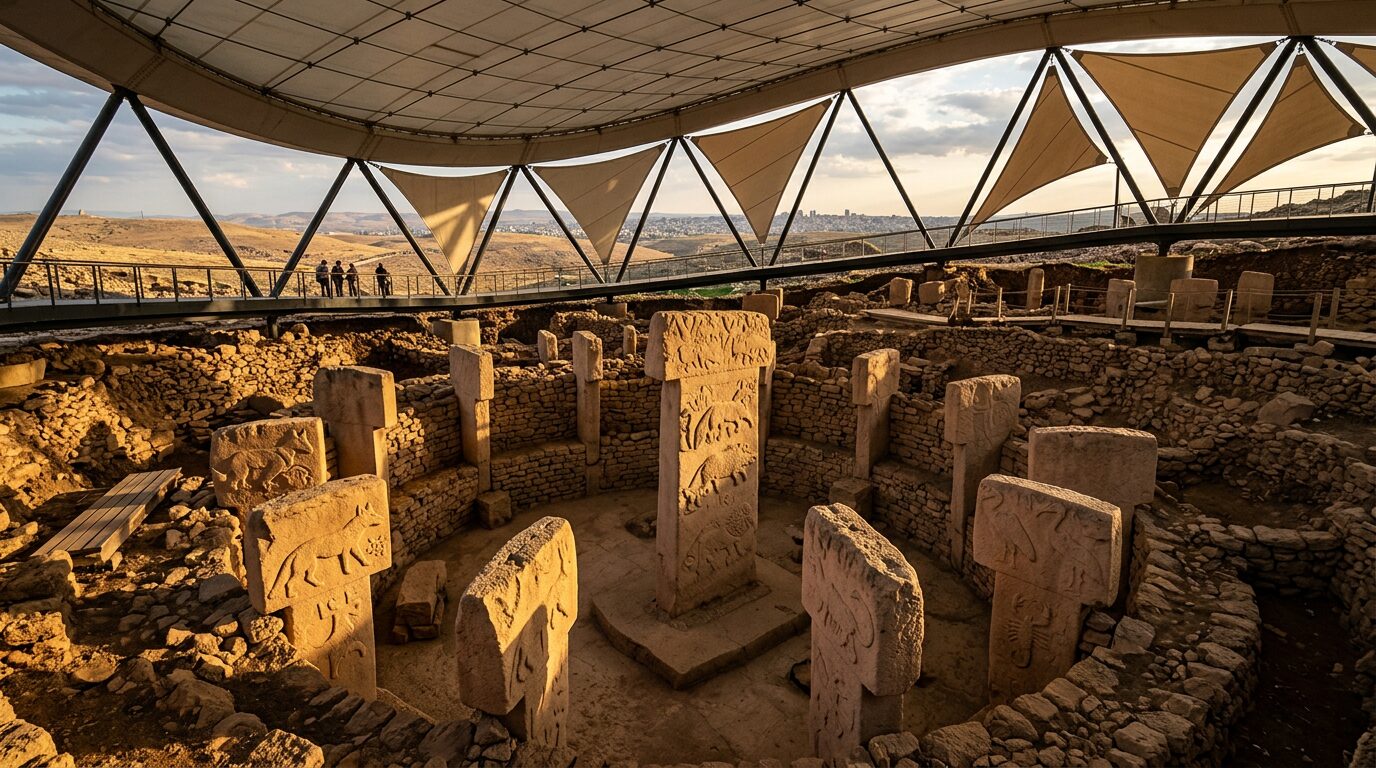
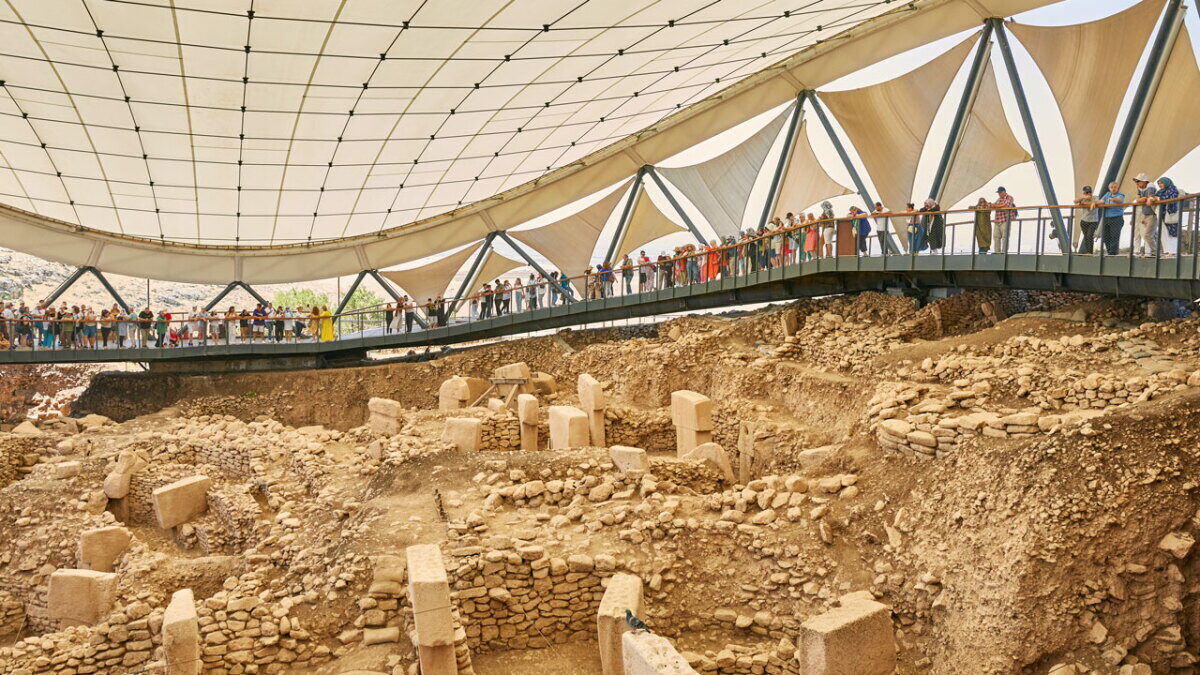
There are substantial grounds to claim that the most significant archaeological discovery of the 21st century is Göbeklitepe ("Potbelly Hill"). It dates back 12,000 years — 4,000 years older than the pyramids and 7,000 years older than Stonehenge. Furthermore, it is even older than the human transition to settled life. Contrary to the widely held view, it proves the existence of religious belief prior to the establishment of the first cities.
Findings at Göbeklitepe show that a religious class existed even at such early ages, that social divisions took place well before previously assumed dates, and that the first agricultural activity may have been conducted here. On the merits of its contribution to human history, Göbeklitepe was inscribed on the UNESCO World Heritage List in 2018.
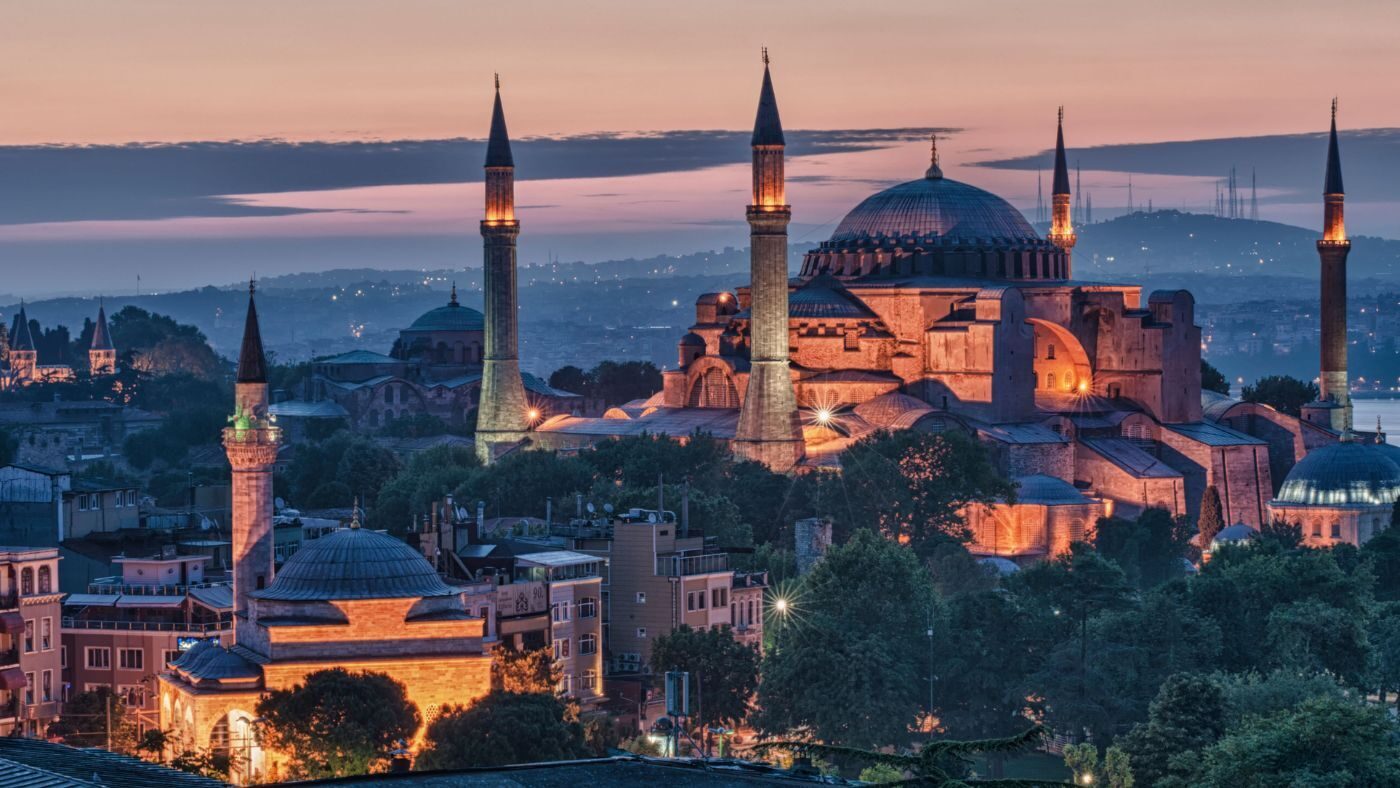
Historic Areas of Istanbul (1985)
The Historic Areas of Istanbul, situated on a peninsula surrounded by the Sea of Marmara, the Bosphorus and the Golden Horn, were inscribed on the UNESCO World Heritage List in 1985. Istanbul is the only city in the world situated on two continents. The historic areas are represented by four main zones: Sultanahmet Archaeological Park, Süleymaniye Conservation Area, Zeyrek Conservation Area and the Land Walls Conservation Area — each displaying the urban history of Istanbul across different periods.
Archaeological Site of Troy (1998)
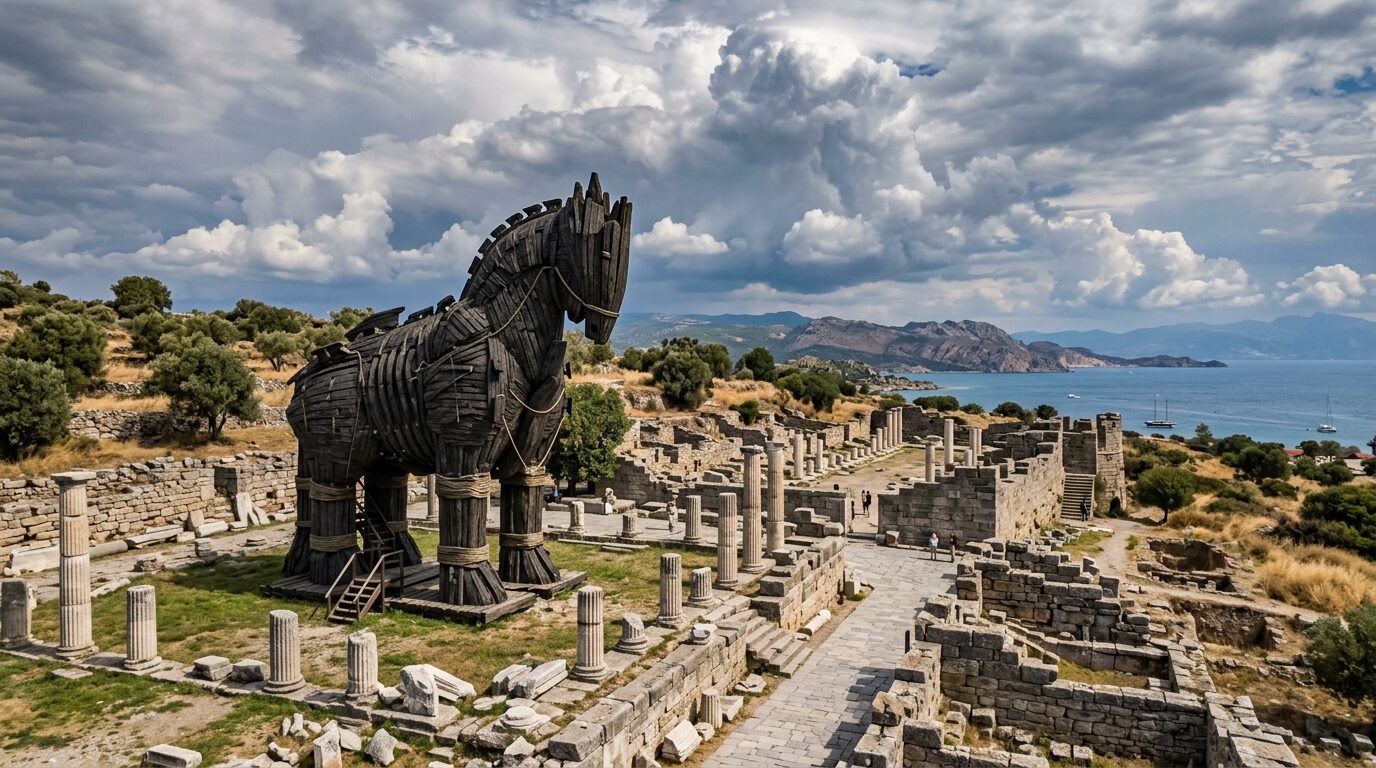
The Ancient City of Troy, famous as the site of the Trojan War that Homer described in The Iliad, was inscribed on the World Heritage List in 1998. With its history dating back to 3000 BC, it is one of the most famous archaeological sites in the world, located in Çanakkale province. According to the foundation legend, the sea goddess Tethys had a daughter called Electra who married Zeus, and their descendants ultimately founded the city. Excavations have revealed nine successive layers of settlement spanning thousands of years.
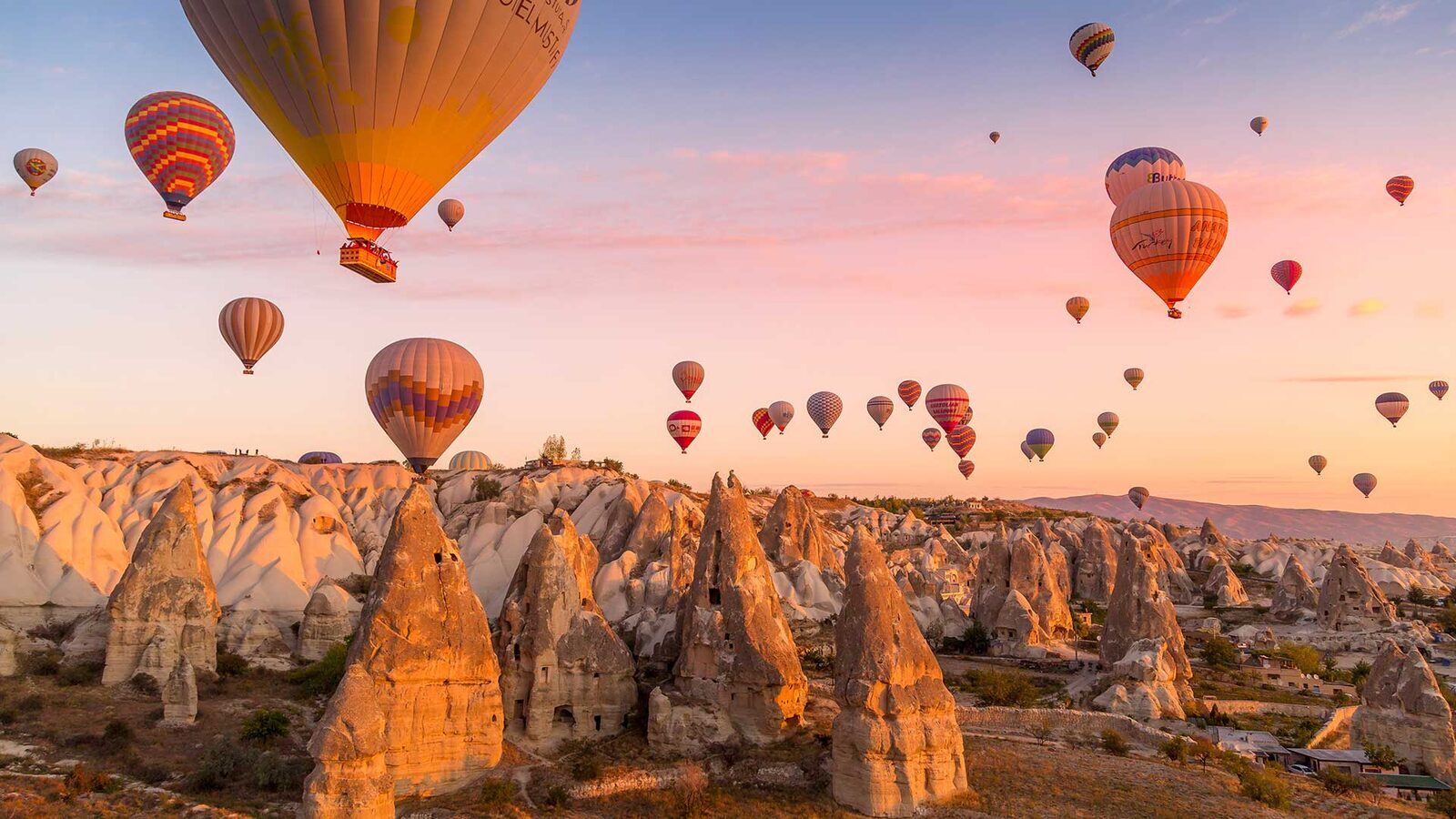
Göreme National Park & Rock Sites of Cappadocia (1985)
Göreme National Park and Cappadocia were inscribed on the World Heritage List in 1985, comprising seven components: Göreme National Park, Derinkuyu Underground City, Kaymaklı Underground City, Karanlık Church, Theodore Church, Karain Columbaries and Soğanlı Archaeological Site. The most significant feature is the existence of hundreds of fairy chimneys, formed by wind and rain over millennia. The monk cells carved deep into the valleys and the underground cities add extraordinary value to this already surreal landscape.
Hattusha: The Hittite Capital (1986)
Founded around 1650 BC, Hattusha was the capital of the Hittite Empire and became the focus of the arts and architecture of that era. It has been on the World Heritage List since 1986. Hattusha is an open-air archaeological museum consisting of the Lower City and the Upper City. The Great Temple, the principal cult building of the city, is believed to have been devoted to the Storm God Teşup and the Sun Goddess of Arinna — the two greatest gods of the Hittite Empire.
Nemrut Dağ (1987)
Situated in the Kahta county of Adıyaman province, Nemrut Mountain houses the most majestic places of worship from the Hellenistic Era in ancient Anatolia. Its enchanting statues stand ten metres high alongside inscriptions several metres long. According to the inscriptions, Antiochus I had a monumental tomb, a tumulus of cut stones, and terraces built along three edges to show his gratitude to the gods and his ancestors. Inscribed on the World Heritage List in 1987, watching the sunrise or sunset beside these colossal stone heads is a once-in-a-lifetime experience.
Ephesus (2015) & the House of the Virgin Mary
Located within what was once the estuary of the River Kaystros, Ephesus comprises successive Hellenistic and Roman settlements. Excavations have revealed grand monuments of the Roman Imperial period including the Library of Celsus and the Great Theatre. Little remains of the famous Temple of Artemis — one of the Seven Wonders of the World — which drew pilgrims from across the Mediterranean. Since the 5th century, the House of the Virgin Mary, a domed chapel seven kilometres from Ephesus, has been a major site of Christian pilgrimage.
Great Mosque and Hospital of Divriği (1985)
The first Turkish buildings inscribed on the World Heritage List are the Ulu (Great) Mosque and Hospital of Divriği — a complex commissioned in the 13th century by Ahmet Shah and his wife Melike Turan of the Principality of Mengücekli. Renowned for its monumental architecture and extraordinary traditional stone carving decorations, this masterpiece with its two-domed mosque, hospital and tomb was inscribed in 1985.
Xanthos-Letoon (1988)
Xanthos, the capital of Lycia dating back to 3000 BC, is known as the largest administrative centre of Lycia in antiquity. Letoon, inscribed together with Xanthos in 1988, was one of the most prominent religious centres of the ancient world. The archaeological value of both sites is immense — they include stone inscriptions bearing the longest and most important texts written in the Lycian language. The two sites are about 4 km apart, in the Muğla province of south-western Türkiye.
Hierapolis-Pamukkale (1988)
The sacred Hierapolis of Phrygia was inscribed on the UNESCO World Heritage List in 1988. The ancient city of Hierapolis is believed to have been founded by Eumenies II, King of Pergamum, in the 2nd century BC. The city saw its most brilliant years between 96 and 162 AD and became a renowned healing centre, where doctors treated patients in the thermal waters. Today the gleaming white travertine terraces and Cleopatra's Pool draw millions of visitors annually. Read our complete Pamukkale day-trip guide here.

City of Safranbolu (1994)
Safranbolu is a unique Anatolian city that brings history to life through its mosques, market, neighbourhoods, streets and historic houses, inscribed on the UNESCO World Heritage List in 1994. Represented as three parts — Çukur, Kıranköy and Bağlar — the city has a known history dating back to 3000 BC and was ruled in succession by the Hittites, Phrygians, Lydians, Persians, Hellenistic kingdoms, Romans, Seljuks and Ottomans. Its remarkably well-preserved Ottoman timber houses and hans (caravanserais) make it one of Turkey's most photogenic historic towns.
Selimiye Mosque and Its Social Complex (2011)
The Selimiye Mosque and Complex, located in Edirne — the Ottoman capital before the conquest of Istanbul — were inscribed on the UNESCO World Heritage List in 2011. Visible from all parts of the city, it was designed and built by Mimar Sinan, the world-renowned royal architect. Construction started in 1568, lasted seven years and was completed in 1575. Considered the most important masterpiece of Ottoman art, Sinan himself regarded it as his "masterwork" — a bold claim from the architect who also built the Süleymaniye Mosque in Istanbul.
Neolithic Site of Çatalhöyük (2012)
Çatalhöyük is one of the earliest settlements of the Neolithic Era, shedding light on the dawn of human settlement through unique examples of early domestic architecture, landscape painting and sacred objects of the mother-goddess cult. Located in Çumra county, Konya province, it was discovered in 1958. The earliest finds date from 7,400 BC. The social organisation of Çatalhöyük and its urban plan are believed to represent ideals of equality — men and women appear to have been largely equal, sharing the tasks of ritual, artwork, farming, hunting and cooking. Inscribed in 2012.
Pergamon and Its Multi-Layered Cultural Landscape (2014)
"Pergamon and Its Multi-Layered Cultural Landscape" — the only capital city from the Hellenistic period incorporating layers from Hellenistic, Roman, Byzantine and Ottoman eras — was inscribed on the World Heritage List in 2014. The nine inscribed components include Pergamon City, Kybele Sanctuary and several tumuli. The Temple of Athena, the steepest Hellenistic theatre ever built, the Library of Pergamon, the Great Altar and a high-pressure water pipe-line system are among its most outstanding features.
Bursa and Cumalıkızık: The Birth of the Ottoman Empire (2014)
Bursa, as the first capital of the Ottoman Empire on the north-western slopes of Uludağ Mountain, and Cumalıkızık — founded as a waqf village during the same period — were inscribed together on the UNESCO World Heritage List in 2014. The site consists of six components including the Khans Area with Orhan Ghazi Külliye, four other major külliyes and Cumalıkızık Village. The significant commercial role of Bursa throughout history, shaped by külliye complexes and the waqf system, is revealed through its large khans, bedesten and bazaars.
Diyarbakır Fortress and Hevsel Gardens (2015)
Located on an escarpment of the Upper Tigris River Basin in the Fertile Crescent, Diyarbakır's fortified city and its surrounding landscape have been an important centre since the Hellenistic period through Roman, Sassanid, Byzantine, Islamic and Ottoman times to the present. The site encompasses the Amida Mound (İçkale), the 5.8 km-long city walls with their numerous towers, gates, buttresses and 63 inscriptions from different periods, as well as the Hevsel Gardens — a green link between the city and the Tigris that supplied the city with food and water.
Archaeological Site of Ani (2016)
This medieval city combines residential, religious and military structures characteristic of medieval urbanism built over centuries by Christian and then Muslim dynasties. Ani flourished in the 10th and 11th centuries CE as the capital of the medieval Armenian kingdom of the Bagratides, profiting from control of the Silk Road. Later, under Byzantine, Seljuk and Georgian sovereignty, it maintained its status as an important crossroads for merchant caravans. The Mongol invasion and a devastating earthquake in 1319 marked the beginning of the city's decline. Inscribed in 2016.
Aphrodisias (2017)
Located in south-western Türkiye, the site consists of two components: the archaeological site of Aphrodisias and the marble quarries north-east of the city. The Temple of Aphrodite dates from the 3rd century BCE and the city was built one century later. The wealth of Aphrodisias came from its marble quarries and the art produced by its renowned sculptors. The city streets are arranged around large civic structures including temples, a theatre, an agora and two bath complexes. Aphrodisias was inscribed on the UNESCO World Heritage List in 2017 and is also home to an outstanding on-site museum.
How to Visit
Many of these sites combine beautifully in one itinerary: Istanbul → Cappadocia → Pamukkale → Ephesus is the classic heritage circuit. As a licensed Türkiye operator (TÜRSAB A-12334), Turquaz Travel runs guided heritage tours with English-speaking guides, private transfers and hand-picked hotels. Browse our tours or build your own custom itinerary.
Frequently Asked Questions
How many UNESCO World Heritage Sites does Turkey have?
Türkiye has 18 UNESCO World Heritage Sites, ranging from prehistoric Göbeklitepe (12,000 years old) to Ottoman Bursa and the marble city of Aphrodisias.
Which UNESCO site in Turkey is the oldest?
Göbeklitepe near Şanlıurfa is around 12,000 years old — the oldest known monumental temple complex in the world, predating the pyramids by 4,000 years.
Can I visit several UNESCO sites in one trip?
Yes. The classic circuit of Istanbul, Cappadocia, Pamukkale and Ephesus covers four major sites in 7–10 days and can be arranged as a fully guided package with Turquaz Travel.
Plan Your Türkiye Trip With Local Experts
Licensed TÜRSAB agency — tours, transfers, visas and tailor-made itineraries across Türkiye.